
HERBICIDE TREATMENTS
Supports wetting, spreading and more uniform spray distribution.
Supporting Spray Performance Across the Rapeseed Production Cycle
SPRIVA 100 is a specialty surfactant adjuvant designed to improve wetting, spreading, retention and spray application consistency in agricultural tank mixes.
Its formulation has been evaluated in commercial rapeseed applications, including insecticide treatments and pre-harvest desiccation.
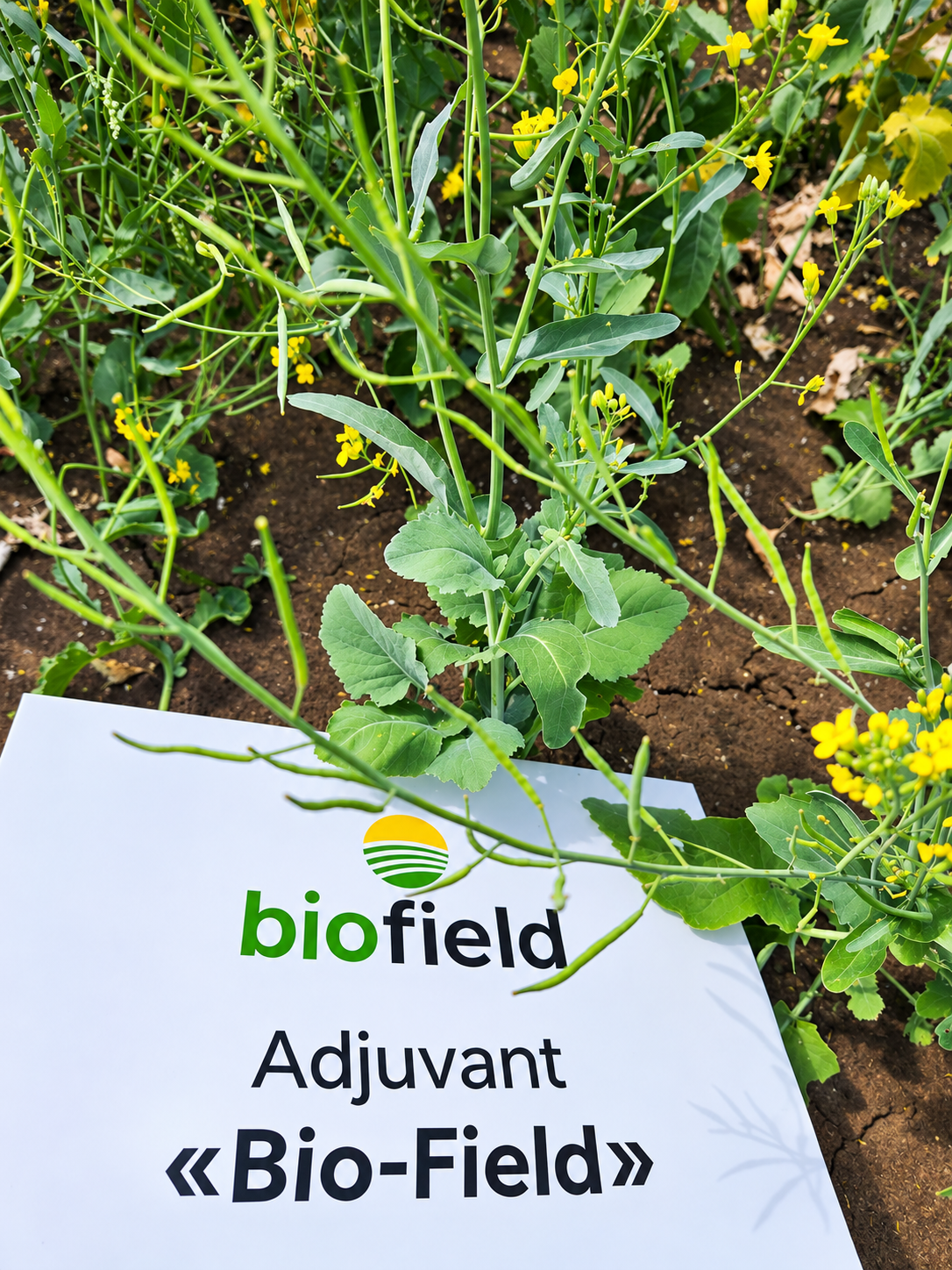
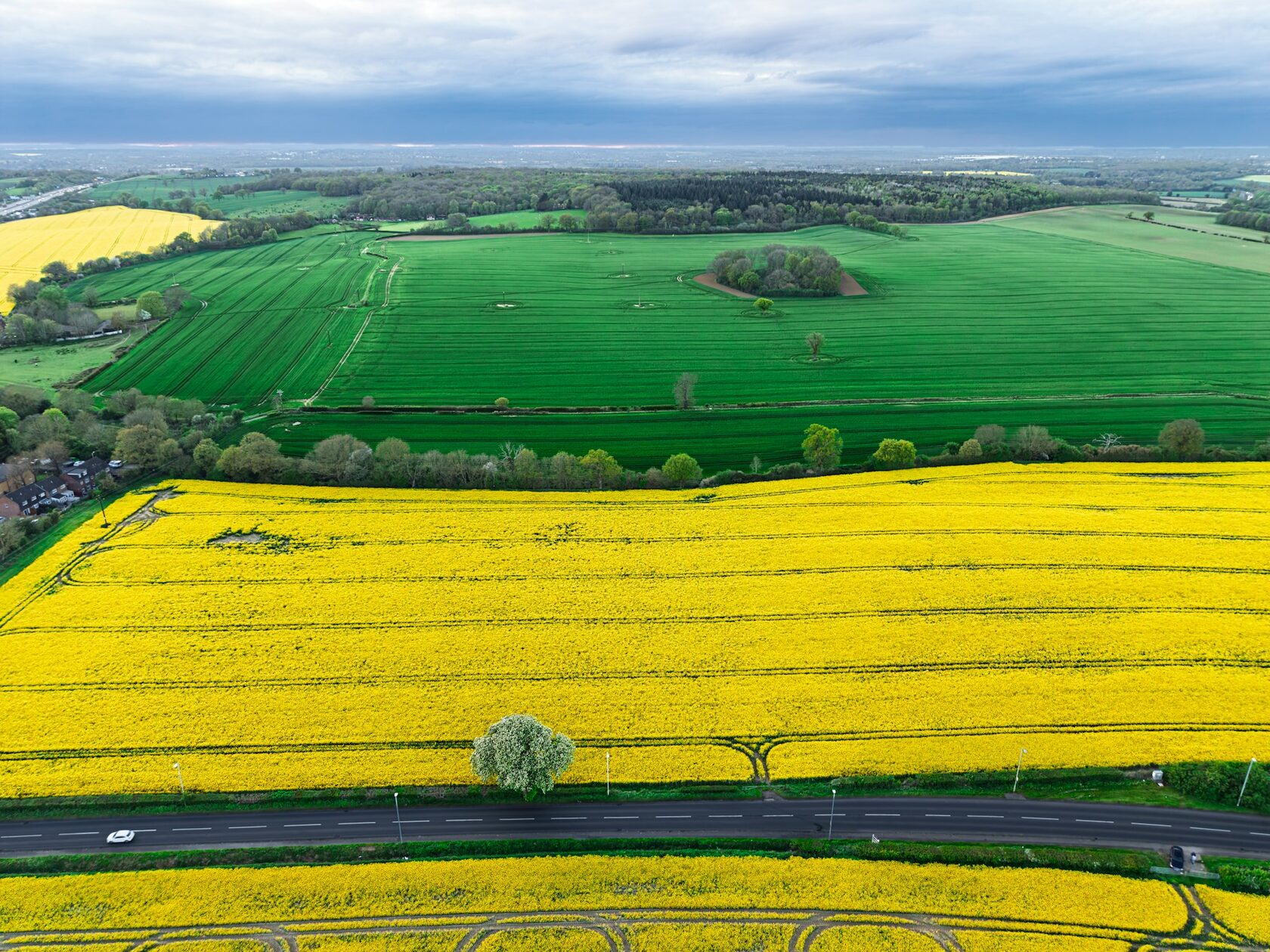 Rapeseed field application
One Adjuvant. Multiple Applications.
Supports wetting, spreading and more uniform spray distribution.

Supports spray coverage and treatment consistency across crop surfaces.

Supports deposition, retention and contact of insecticide spray solutions.
Potential application with compatible foliar nutrients and biological products.

Supports more uniform spray coverage during desiccation treatments.
Evaluated field applications: insecticide treatments and pre-harvest desiccation. Foliar nutrition and biologicals are potential applications, subject to product compatibility.
Application treatments: Control / Standard Insecticide Treatment; Insecticide Treatment + SPRIVA 100. Tested active ingredients: Chlorantraniliprole and Lambda-cyhalothrin.
SPRIVA 100 supports wetting and more even distribution of insecticide spray droplets.
SPRIVA 100 supports spray adhesion and retention on treated plant surfaces.
SPRIVA 100 supports spray distribution across the rapeseed canopy.
SPRIVA 100 supports spray access within the canopy; this describes application quality, not independently proven insecticide efficacy.
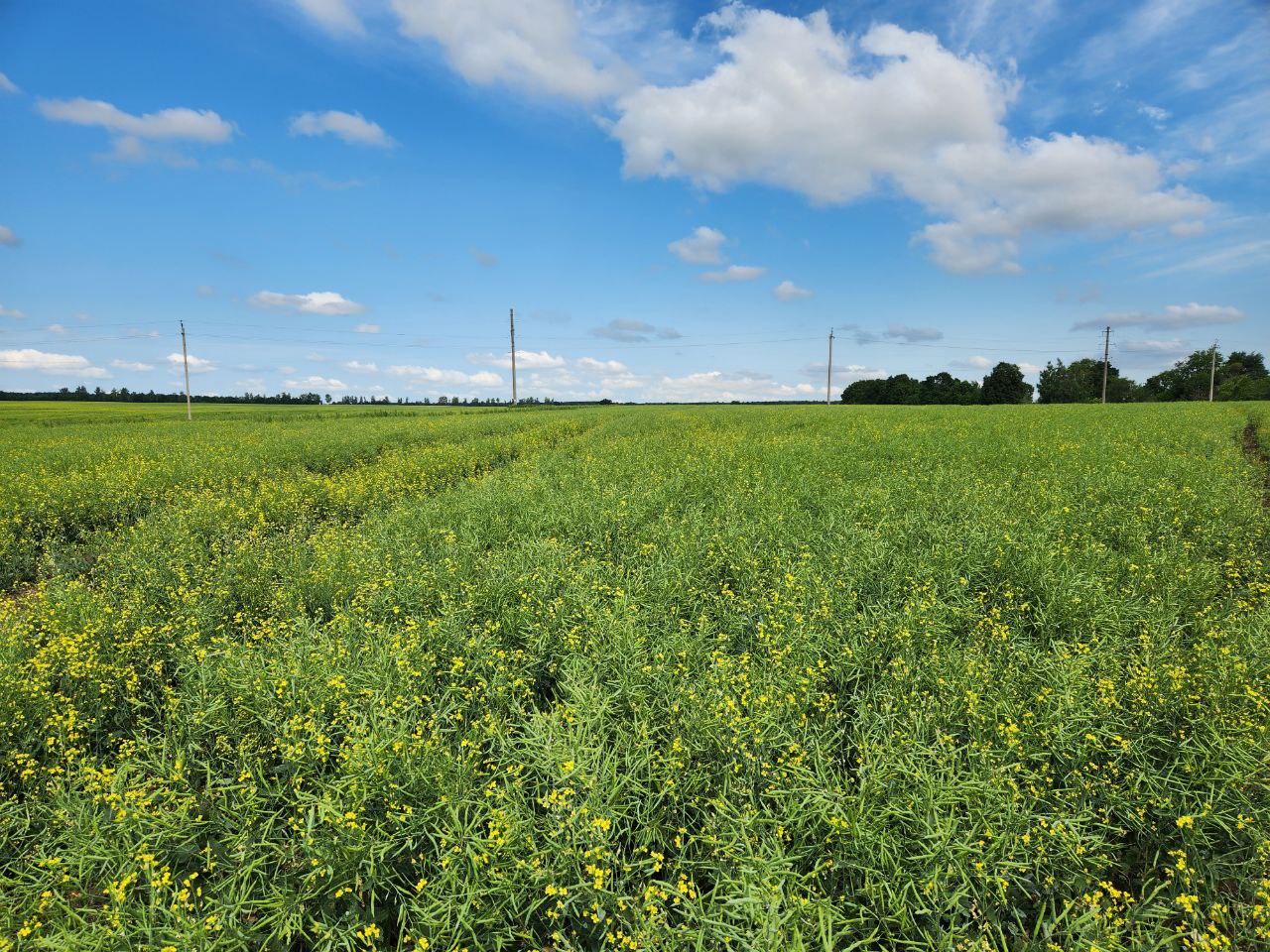
Standard Insecticide Treatment
Visible insect feeding damage and affected leaf surfaces.
Insecticide Treatment + SPRIVA 100
Visually lower feeding damage and better preservation of the crop canopy observed in the treated area.
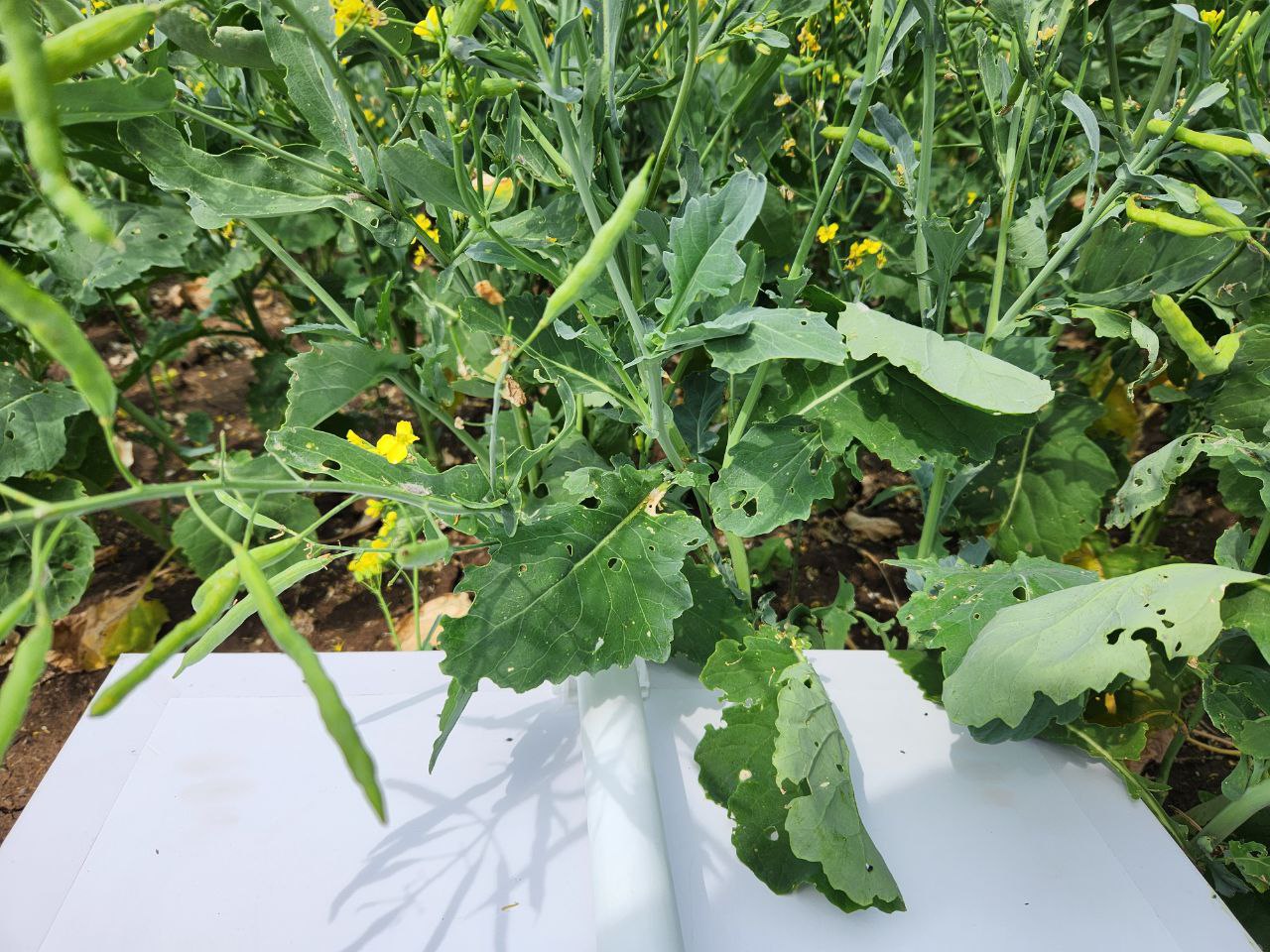
Standard Insecticide Treatment — Plant Detail
Visible insect feeding damage and affected leaf surfaces.
Insecticide Treatment + SPRIVA 100 — Plant Detail
Visually lower feeding damage and better preservation of the crop canopy observed in the treated area.
Commercial field observation. No numerical efficacy or yield results are implied.
Rapeseed is a challenging crop for foliar insecticide applications.
Its dense canopy, waxy plant surfaces and large number of leaves, stems, flowers and developing pods make uniform spray coverage difficult. Part of the insecticide solution may remain in the upper canopy or fail to achieve sufficient contact with the target surface.

SPRIVA 100 modifies the physical behaviour of the spray solution, helping droplets spread more uniformly and remain on waxy plant surfaces.
This supports more consistent deposition of the insecticide across leaves, stems and developing pods and improves coverage through the complex rapeseed canopy.
The insect cuticle is a complex protective barrier containing chitin, proteins and lipids.
SPRIVA 100 can support deposition, adhesion and prolonged contact of the spray solution with treated surfaces.
This mechanism can be particularly relevant for contact-active insecticides, where effective deposition and contact are important to treatment performance.
The active ingredients provide complementary insecticidal activity, while SPRIVA 100 supports the quality of the spray application through improved wetting, coverage and retention.
Better Wetting
+ More Uniform Coverage
+ Improved Spray Retention
Better Spray Deposition
+ Improved Contact
+ Potentially Longer Surface Contact
SPRIVA 100 is designed to support the distribution, deposition and retention of insecticide spray solutions on treated surfaces.
Potential contributions to spray application quality; these are not independently verified insecticidal mechanisms.
May help preserve intact leaf area.
May help protect reproductive plant structures.
May support more consistent protection across the field.
May help reduce the risk of yield loss under insect pressure.
SPRIVA 100 does not replace the insecticide.
It supports spray application quality through improved wetting, coverage and retention.
Commercial Field Observation
Pre-harvest desiccation in rapeseed requires uniform spray coverage across a complex crop structure.
At the end of the season, stems, pods and remaining green plant material can dry at different rates. Uneven treatment may result in parts of the field becoming harvest-ready earlier while other areas remain green.
SPRIVA 100 was included in the desiccation spray program to support more uniform spray coverage and crop response. Commercial field observations showed visually more consistent drying in the treated area compared with the standard desiccation treatment.
Rapeseed presents a large and complex spray target with stems, branches and pods located at different heights and angles. Uneven deposition of the desiccation treatment may lead to inconsistent drying across the crop and make harvest timing more difficult.
Supports more uniform distribution of the spray solution across stems, pods and remaining green plant material.
Helps the working solution remain on treated plant surfaces.
Supports more consistent deposition of the desiccation treatment across the crop.
Helps reduce variability in spray performance across the field.
Side-by-side commercial field observation. Add the original, verified field photographs to each frame.
Visible remaining green plant material and less uniform crop drying.
Visually more uniform crop drying and less remaining green plant material observed in the SPRIVA 100 treatment area.
By improving wetting, spray coverage and retention, SPRIVA 100 helps support more uniform distribution of the desiccation treatment across the crop.
In this commercial field observation, the treatment incorporating SPRIVA 100 showed visibly more uniform crop drying and less remaining green plant material compared with the standard desiccation treatment.
More uniform crop readiness can make the optimal harvest window easier to determine.
More predictable field readiness can simplify harvesting equipment scheduling.
More consistent crop drying can reduce differences between fully dried and remaining green areas.
More consistent harvest preparation may reduce uncertainty under changing weather and harvesting conditions.
Better application quality can help make crop preparation for harvest more consistent and predictable.
Field observations shown in this section reflect a specific commercial field application. Performance may vary depending on crop maturity, treatment program, application timing, spray volume, weather conditions and local agronomic conditions.
Interested in improving insecticide application or pre-harvest desiccation? Contact RisingFields to discuss your crop protection program, technical requirements and opportunities for local field evaluation.
Field observations reflect specific commercial applications. Performance may vary.
